Healthy Shopping List for Young Footballers

Healthy Shopping List for Young Footballers


Carbohydrates

  • Whole grain bread, pasta, and rice
  • Oats and cereals (low sugar)
  • Sweet potatoes and regular potatoes
  • Fresh fruits (bananas, apples, berries, oranges) Proteins
  • Lean chicken breast and turkey
  • Fresh fish (salmon, tuna)
  • Eggs
  • Greek yogurt and cottage cheese
  • Beans, lentils, chickpeas
  • Nuts and seeds Healthy Fats
  • Avocados
  • Olive oil
  • Nuts (almonds, walnuts) and nut butters
  • Seeds (chia, flaxseed)
  • Fatty fish (salmon, mackerel) Snacks
  • Fresh fruit
  • Yogurt (low sugar)
  • Natural granola bars or homemade energy bites
  • Mixed nuts (unsalted) Hydration
  • Water (main drink)

– Low-sugar electrolyte drinks (for intense training days)

2. Simple Recipe Ideas for Young Footballers

Breakfast: Power Oatmeal Bowl

  • Cook oats with milk or water
  • Top with sliced banana, a handful of almonds, and a drizzle of honey
  • Optional: add chia seeds or a spoonful of natural peanut butter Lunch: Chicken & Quinoa Salad
  • Grilled chicken breast (seasoned lightly)
  • Cooked quinoa mixed with cherry tomatoes, cucumber, and spinach
  • Dress with olive oil and lemon juice Snack: Energy Balls
  • Mix rolled oats, nut butter, honey, and dark chocolate chips
  • Roll into bite-sized balls and refrigerate for 30 min Dinner: Baked Salmon with Sweet Potato & Veggies
  • Bake salmon fillet with lemon and herbs
  • Roast sweet potato cubes with olive oil

– Steam broccoli or green beans on the side

3. Tips for Meal Prep and Staying Consistent

  • Dedicate one or two days per week for meal prep to save time on busy days.
  • Prepare snacks in advance to avoid reaching for unhealthy options.
  • Encourage family involvement: cooking together can make healthy eating enjoyable.

– Keep a water bottle handy at all times. Hydration is as important as food.

4. Quick Hydration Tips

  • Start your day with a glass of water to kickstart metabolism.
  • Sip water throughout the day rather than drinking large amounts only at once.
  • During training or matches, drink small amounts every 15-20 minutes if possible.
– Avoid excessive sugary sports drinks; choose natural or low-sugar options instead.

Breakfast

Nutrition Essentials for Young Footballers


Introduction

Fueling your body for peak performance and healthy development

1. Eat Balanced Meals

A well-rounded diet includes a good mix of:

  • Carbohydrates: Your main source of energy. Focus on whole grains like brown rice, whole wheat bread, oats, and potatoes.
    • Proteins: Important for muscle repair and growth. Include lean meats, poultry, fish, eggs, dairy, beans, and nuts.
  • Fats: Needed for long-lasting energy and cell functions. Choose healthy fats from avocados, nuts, seeds, olive oil, and fatty fish.

2. Stay Hydrated

Water is critical for performance and recovery.

  • Drink water regularly throughout the day, not just during training.
  • Avoid sugary drinks that can cause energy crashes.
  • On intense training or match days, consider electrolyte drinks but choose low-sugar options.

3. Pre-Training and Match Meals

Eat a meal rich in carbohydrates and moderate in protein about 3–4 hours before playing. For example:

  • Whole grain pasta with tomato sauce and chicken
  • Brown rice with vegetables and lean beef
  • A sandwich with turkey and salad If you need a snack closer to kickoff (about 30–60 minutes prior), opt for something light and easy to digest like a banana, yogurt, or a small granola bar.

4. Post-Training and Recovery Nutrition

Recovery meals help your muscles repair and replenish energy stores:

  • Eat within 30–60 minutes after training or matches.
  • Include carbs plus protein, e.g., chocolate milk, a turkey sandwich, or a smoothie with fruit and yogurt.
  • Continue hydrating well.

5. Don’t Skip Breakfast

Starting your day with a nutritious breakfast fuels morning training sessions and school:

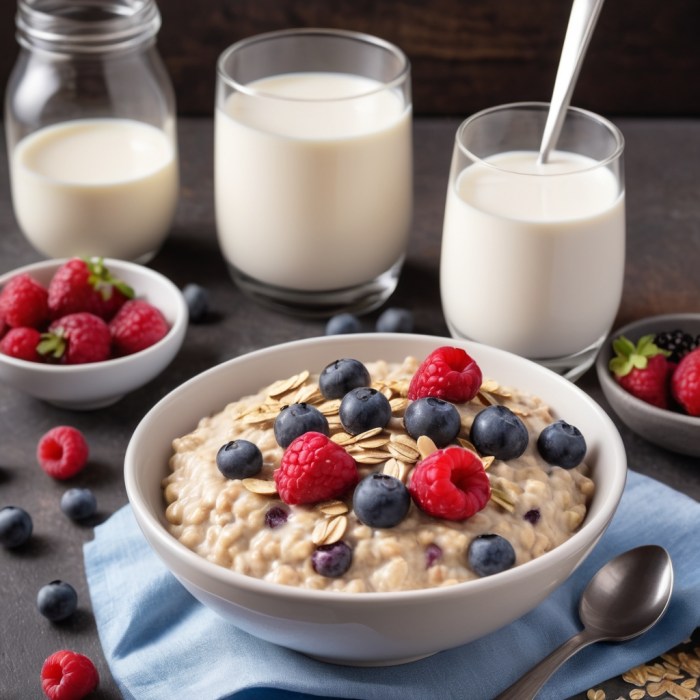
  • Examples: oatmeal with fruit, eggs on whole-grain toast, or a fruit smoothie with nuts.

6. Limit Junk Food and Sugary Snacks

While treats are fine occasionally, try to minimize:

  • Sugary sodas and candies
  • Deep-fried snacks and fast food
  • Excessive processed foods high in salt and unhealthy fats
    These can negatively impact your energy, focus, and overall health.

7. Listen to Your Body

Everyone’s nutritional needs vary depending on age, size, training intensity, and metabolism. Pay attention to how food makes you feel and perform, and adjust accordingly.

Sample Daily Meal Plan for a Young Footballer

MealFoods to Include
BreakfastOatmeal with berries and a glass of milk
Mid-Morning SnackApple and a handful of almonds
LunchGrilled chicken wrap with salad and quinoa
Afternoon SnackYogurt with honey and banana
DinnerBaked salmon, sweet potato, steamed broccoli

| Evening Snack | Cottage cheese or mixed nuts |

Final Tips

  • Prepare meals ahead of time to avoid missing nutrients.
  • Involve your family in planning and cooking balanced meals.

– Speak to a nutritionist or dietitian if you have specific dietary needs or concerns.

About Football Focus

At Football Focus, we support young talents through every aspect of their journey — and that includes promoting healthy habits like proper nutrition to enhance performance and wellbeing. Remember, fueling your body right is a winning strategy on and off the pitc